Having a tourist rental is no longer so easy. Many owners who applied for accreditation last summer have had their application revoked. According to data from the Ministry of Housing, since January 1, more than 330,000 applications have been received, of which 78% correspond to tourist rentals. In this article, we analyze the current situation and the options available for owners whose applications are revoked.
For months, actions have been taken to ensure that the housing rental market is regulated, prices stop rising, especially in large cities, and people have access to housing. This has meant a change in the tourist housing market since the Ministry of Housing detected 53,876 illegal tourist apartments on various digital platforms.
Among the municipalities with the most tourist apartment applications are:
- – Barcelona with a total of 1,564.
- – Marbella with 1,802.
- – Seville with 2,289.
In Catalonia, other municipalities also appear on the list with the most applications, such as Lloret de Mar with 517 and Salou with 453.
Unique Tourist Housing Registry: mandatory for owners
In July 2025, the digital one-stop window was created, and the Unique Tourist Rental Registry became mandatory. This regulation aims to regulate and control short-term rental of furnished housing. Owners must have a registration number to be able to offer their properties for this type of rental on digital platforms.
The registration number application is made through the electronic headquarters of the College of Registrars of Spain or the competent Property Registry.
Why are tourist rental applications revoked?
Property Registrars state that there are three main reasons why tourist rental property registration applications are revoked:
- · The first is that the property does not have the proper license. It is estimated that in Barcelona there are around 10,000 licensed tourist properties, and the city council is trying to limit this number. In 2017, the Special Urban Planning Plan for Tourist Accommodation was approved for the city, dividing it into zones and establishing which zones can open new tourist accommodations and obtain licenses and which cannot. In 2019, the plan was partially suspended by the High Court of Justice and finally came into effect in March 2022. Subsequently, in 2023, a Decree-Law was drafted establishing more restrictions, setting a maximum of 10 tourist properties per 100 inhabitants and requiring the renewal of tourist licenses every 5 years. These figures can be reduced by the city councils. Additionally, the mayor of Barcelona announced a plan to suspend all tourist licenses in the city in 2028.
- · Secondly, it stands out that the owner has not obtained approval from the homeowners’ association by a 3/5 majority. This relates to the recent modification of Article 17.12 of the Horizontal Property Law. Homeowners’ associations cannot prohibit tourist apartments but can limit them by agreement of 3/5 of the total owners representing 3/5 of the participation shares.
- · Thirdly, there are cases of social housing that cannot be used for purposes other than primary residence. The main purpose of social housing is to be the habitual and permanent residence of owners and tenants; therefore, it has special prices and conditions regulated by public administration. For this reason, a social housing unit cannot be used for tourist accommodation, maintaining its social purpose as a primary residence.
On the other hand, there are other reasons for denial of registration, such as, for example, that the application is not submitted by the property owner.
How to apply for a tourist rental registration?
As we have seen, the application must be submitted through the Electronic Headquarters of the College of Registrars or at the competent Property Registry. The application must include the following information:
- · The identification of the property to be rented (address, area, etc.).
- · The intended use of the property: tourist rental, seasonal rental, full rental, or room rental.
- · Whether administrative authorization or registration of the property is required, and the documentation proving such registration.
Once the application is submitted, a provisional registration number is issued, which must be displayed in ads on digital platforms. Afterward, the registrar verifies that all requirements are met and will either make the registration number permanent or revoke it if the requirements are not met and not corrected within the given timeframe.
What options do owners have if their tourist rental applications are revoked?
If you are a property owner, applied for registration in the tourist housing registry, and were denied, you have several options:
- · Correct the defects indicated if possible. For example, if you are missing a license or community authorization and can obtain them, correct the application.
- · Rent your property as a primary residence. In this case, the rental will be long-term, and the Urban Lease Law will apply.
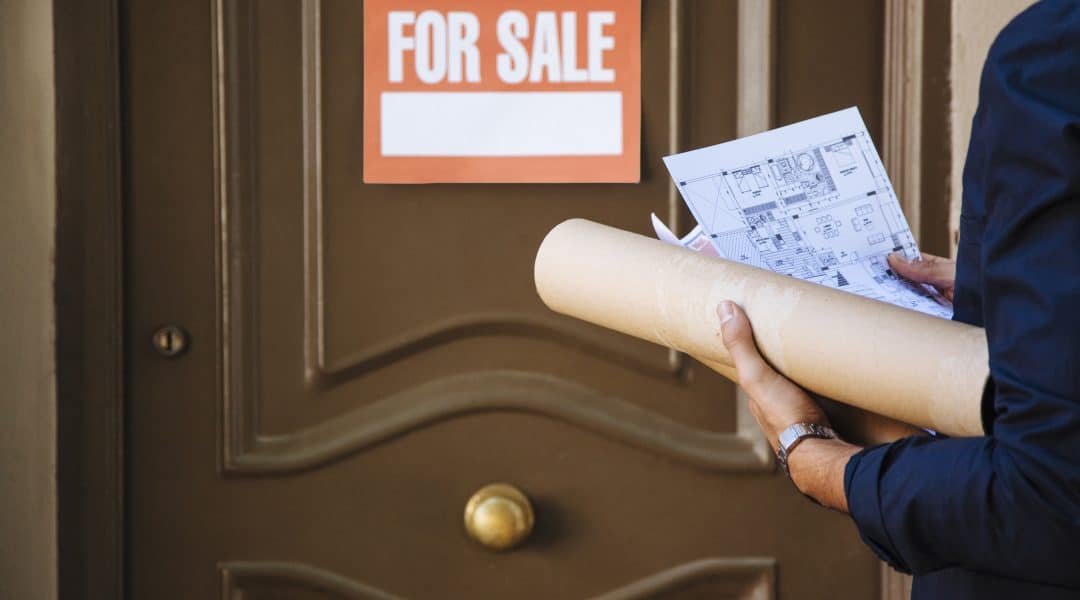
- · Sell your property and obtain a return. If rental is not feasible and you cannot correct the application because you do not meet the requirements, you can put the property up for sale. To do so, follow these steps:
- – Establish the value of your property. The selling price is very important because a price too high will drive buyers away and “burn the property,” while a price too low will reduce profitability.
- – Increase your property’s value with a Home Staging service including actions such as exterior and interior painting, styling, landscaping, moving and furniture storage, aesthetic improvements, and lighting, among others.
- – Advertise the property on real estate platforms. This is important to ensure the home looks its best and allows for professional-quality photos.
- – Host viewings or hire a real estate agency to manage all arrangements. It is important to prepare the property for visits and pre-screen potential visitors to avoid those who are merely curious without intent to buy.
- – Negotiate the terms of the sale with potential buyers, including price and who pays associated costs.
- – Sign the earnest money contract.
- – Sign the sale deed before a Notary.
- – Pay the corresponding taxes (ITP, capital gains tax).
- – Register the sale with the Property Registry.
The decision on what to do with your property is solely yours as the owner. You must evaluate each option and determine which best suits your needs.
If you want help from professionals experienced in rentals, property sales, or asset management, contact us so we can analyze your case and advise you on the available alternatives.