Artificial intelligence in architecture has emerged in recent years and is completely transforming the way architects perform their tasks. Challenges that were once difficult to overcome are now easily managed thanks to this technology.
At Proddigia, we delve into this new way of practising architecture so you can understand how it is impacting the industry.
Artificial intelligence and architectural design
Artificial intelligence (AI) is already revolutionising the architectural design process and has provided architects with innovative tools that are transforming the way projects are conceived. Let’s explore the main changes below:
Automated designs
When creating and designing a project, architects face the challenge of time, as many projects can take a long time to develop. However, AI appears to be addressing such issues by using advanced algorithms that can analyse various variables, such as client requirements, local regulations, and site characteristics. This way, multiple design proposals can be generated, which would have taken an architect much longer. For these professionals, this means less planning time and more room for creative review and strategic decisions.
Optimised use of space
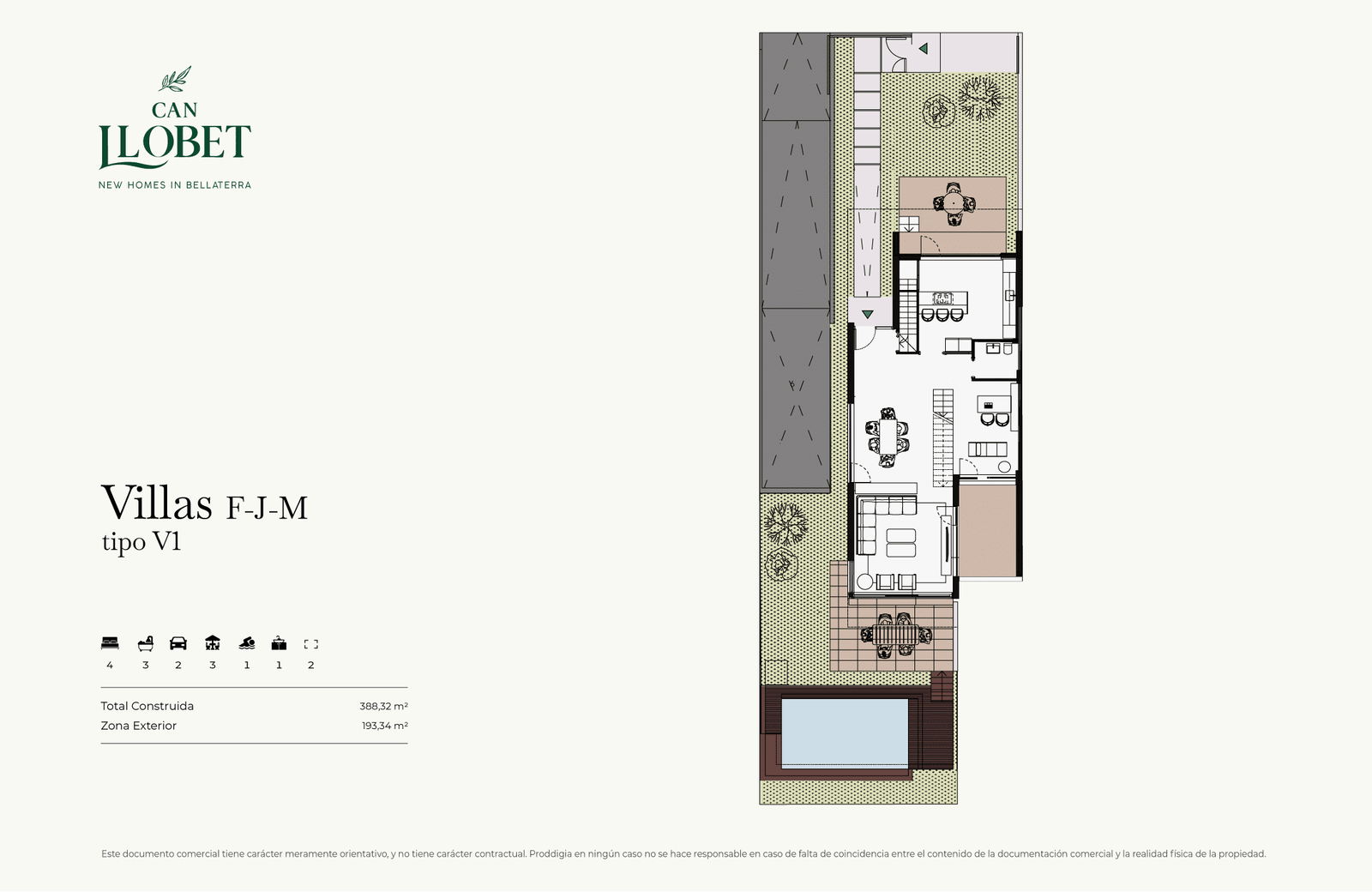
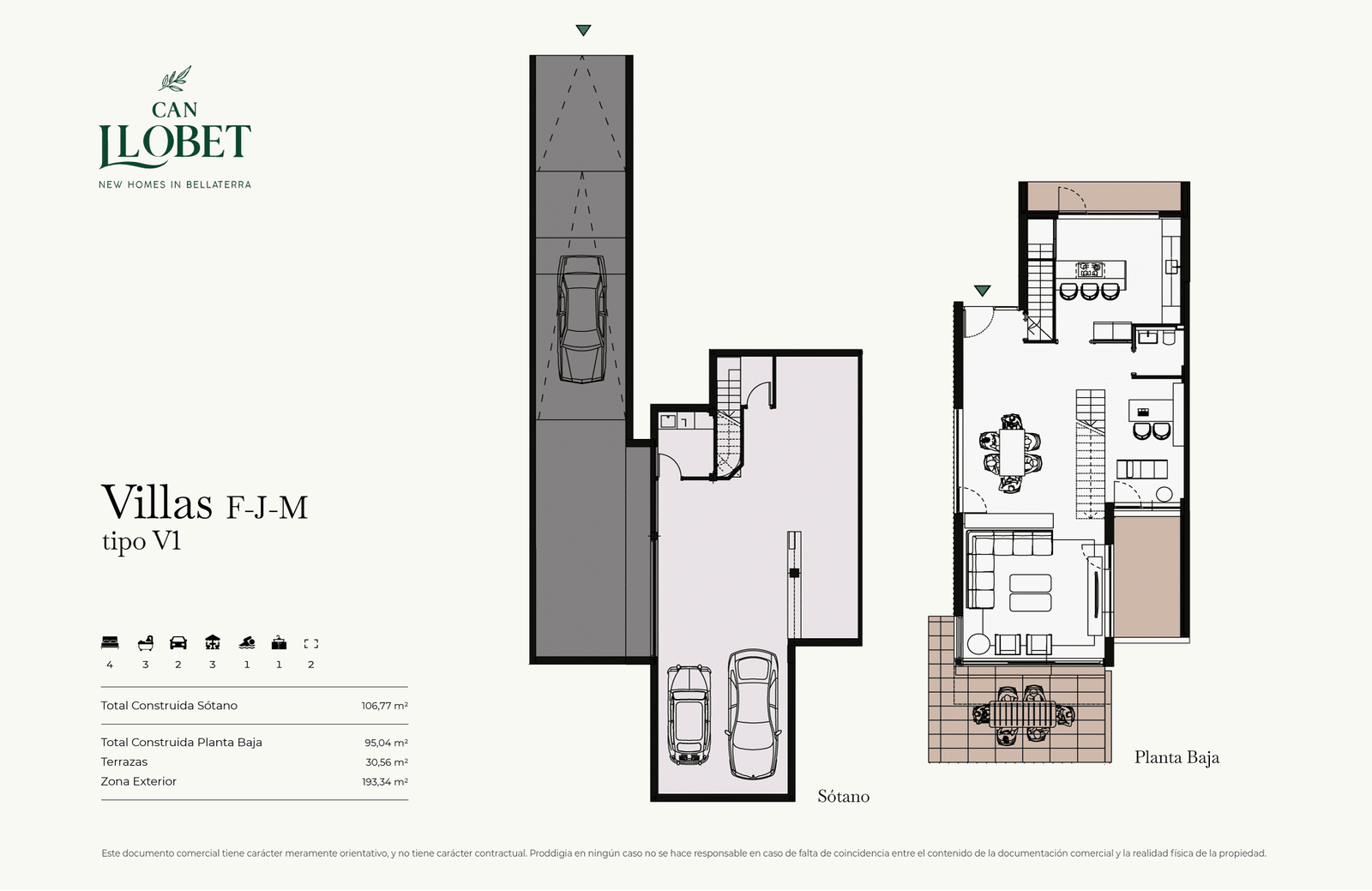
One of the key challenges of architectural design involves the efficient use of space, whether for residential, commercial, or urban projects. The goal is to ensure that every square metre is utilised in the best possible way to enhance functionality and comfort. By employing artificial intelligence in architecture, this task can be improved and simplified, as AI processes large amounts of data, allowing it to analyse how spaces will be used and propose better layouts.
Parametric design algorithms
Parametric design, which uses algorithms and mathematical rules to generate shapes and structures, is completely changing the way architects approach their daily work. Now, they can create complex and unique variations for each project. The shapes, structures, and details of a design can automatically adjust through algorithms that respond to different parameters, such as climate, intended building use, or the client’s aesthetic preferences. As a result, more tailored and personalised architectural solutions are designed, which would often be difficult or impossible to conceive manually.
Sustainability and energy efficiency
Artificial intelligence in architecture is impacting every significant aspect of this profession, one of which is sustainability. Thanks to its ability to analyse and process large datasets, AI enables the creation of eco-friendly designs and the optimisation of resources for their functionality:
Data-driven structures
Incredibly, AI can predict building behaviour under different weather conditions by collecting data on how structures will adapt to their surroundings over time. How does it achieve this? It relies on data about location, orientation, local climate, and other environmental factors. In doing so, AI tools allow for the creation of designs that maximise energy efficiency and minimise environmental impact. For example, AI can recommend the ideal window placement to maximise natural light or suggest structural modifications to reduce heat loss in winter.
Reduced energy consumption
Another significant challenge architects face is optimising energy consumption. However, artificial intelligence becomes a valuable ally by limiting energy consumption through intelligent tools that adjust lighting, climate control, and ventilation systems in real time. Users are tasked with “training” these systems through their habits to make better use of energy without compromising comfort or wasting resources. Moreover, during the design phase, AI simulates a building’s energy performance and enables adjustments before construction begins.
Smart materials
The selection of sustainable and efficient materials goes beyond choosing, for instance, recycled materials. Factors such as the combination of different materials, their impact on a project’s carbon footprint, their structural viability, and cost must be considered. AI algorithms take all these aspects into account and create a design that, in addition to being environmentally friendly, can self-repair or adapt to changing conditions.
Automation of Construction Processes
Artificial intelligence in architecture is driving a revolution in construction through the automation of various processes. Have you heard of robotics or real-time data analysis? These innovations are making construction more efficient, safer, and precise:
Robotics
While we might think of robots as something from the future, in architecture they are already being used to carry out repetitive and highly precise tasks such as bricklaying, welding, and painting. These robots, controlled by advanced algorithms, speed up the construction process and reduce human errors and workplace risks. Their value lies in their ability to work continuously without interruptions, allowing projects to be completed more quickly and consistently, thereby improving timeframes and costs.
Drones
AI-equipped drones have become the new site managers. Their role is to monitor progress on construction sites in real-time by capturing aerial images and videos that are then analysed by intelligent algorithms to detect potential errors, delays, or quality issues. This enables project managers to make immediate adjustments and enhance overall project efficiency. Additionally, AI also helps predict future performance of the construction, providing key data for decision-making.
3D Printing
Artificial intelligence in architecture is enabling the design and creation of more complex and customised shapes with unprecedented speed and accuracy. Materials are used more efficiently, and designs are adjusted during the printing phase to improve the durability and functionality of structures, creating buildings that are both aesthetically appealing and functionally efficient.
Making Decision-Making Easier
Tasks that were once a headache for architects and builders are now simplified thanks to advanced tools that allow for data analysis, problem prediction, and project customisation with an unprecedented level of precision:
Predictive Analysis
As mentioned earlier, one of the major advantages of AI in architecture is its impressive ability to carry out predictive analyses of a building’s long-term performance. By collecting and analysing large amounts of historical and real-time data, it enables predictions about how a building will perform under various climatic, usage, or structural conditions. This allows potential problems to be anticipated, such as material deterioration, energy efficiency, or structural wear, which is essential for architects and builders to make informed decisions from the initial stages of construction.
Real-Time Simulations
Imagine designing a project and being able to visualise it without laying a single brick. This is possible thanks to AI, whose algorithms work to model multiple design, construction, and material options, analysing how variables like cost, construction time, energy efficiency, or environmental impact would be affected. For architects, this translates into time savings, but it also allows for visualising and correcting potential problems before they materialise, improving the quality and feasibility of the project.
Customisation
Customising each project to meet the client’s needs and providing the best solution is much easier thanks to artificial intelligence. Preferences, lifestyle, and requirements are analysed to generate unique and tailored designs that meet functional and aesthetic aspects, while also considering comfort and space efficiency.
Redefining the Future
Artificial intelligence in architecture is marking the beginning of a new era where precision merges with agility and automation. For now, it is allowing professionals to better respond to their clients’ needs, anticipate problems, and promote sustainability.
However, more time will need to pass before we can fully appreciate the significant changes it is bringing to the industry. At Proddigia, we are well aware of these developments and regularly publish news, updates, and tips from the sector. We also offer personalised advice for buying or selling properties. If you would like more information, get in touch with us, and a member of our team will answer your questions.